Tasmanian projects have won three national awards and a Special Jury Prize at the Australian Institute of Architects’ 2026 National Architecture Awards. The winners were announced on Thursday 29 October 2026.
Five Tasmanian projects reached the national shortlist, with work from Launceston, Hobart and Flinders Island represented across seven category placements. The shortlist followed a strong showing at the 2026 Tasmanian Architecture Awards and reflects the breadth of work across the state, from adapted homes and reused buildings to projects grounded in heritage, sustainability and cultural significance.
The Winners
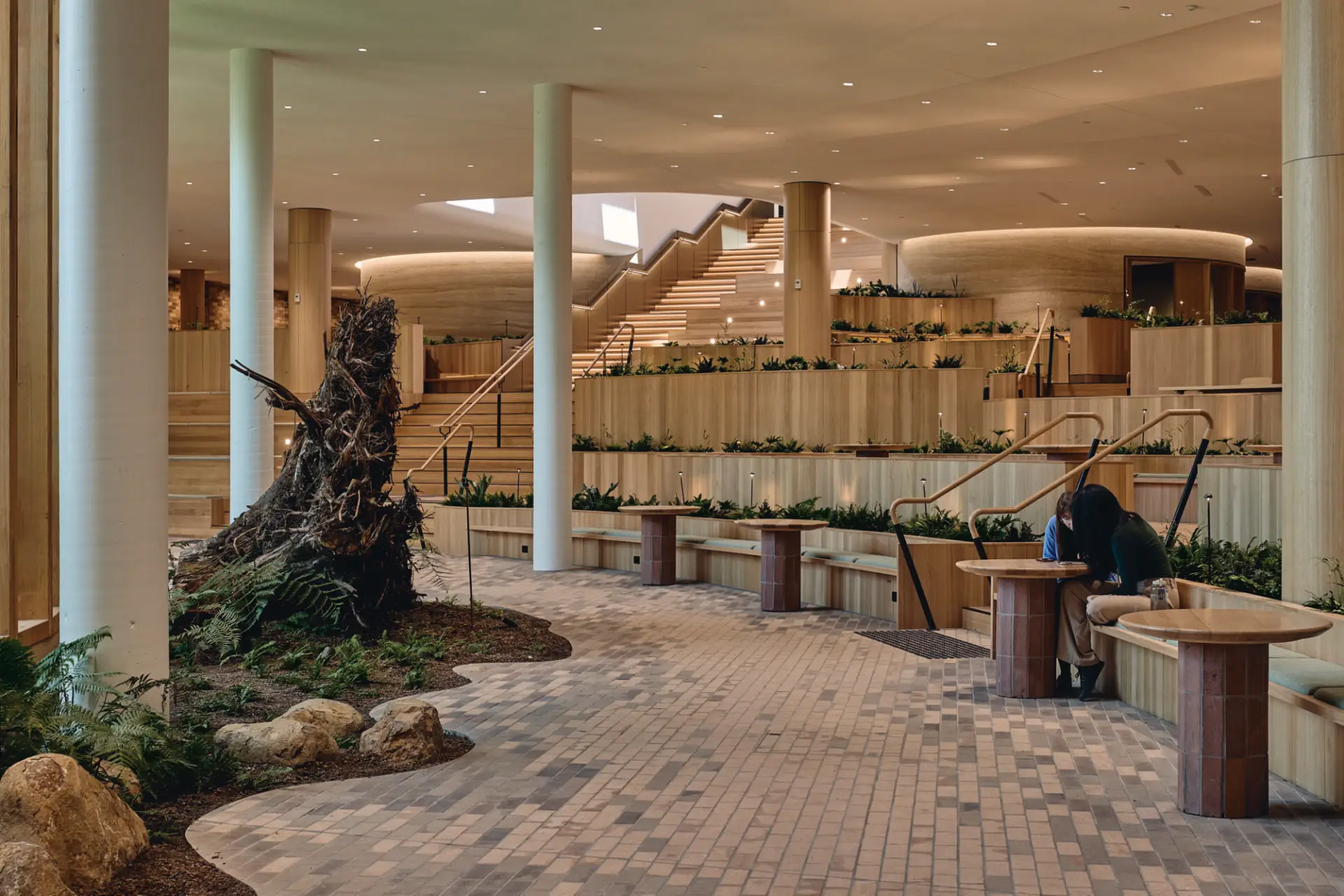
The Forest, Hobart
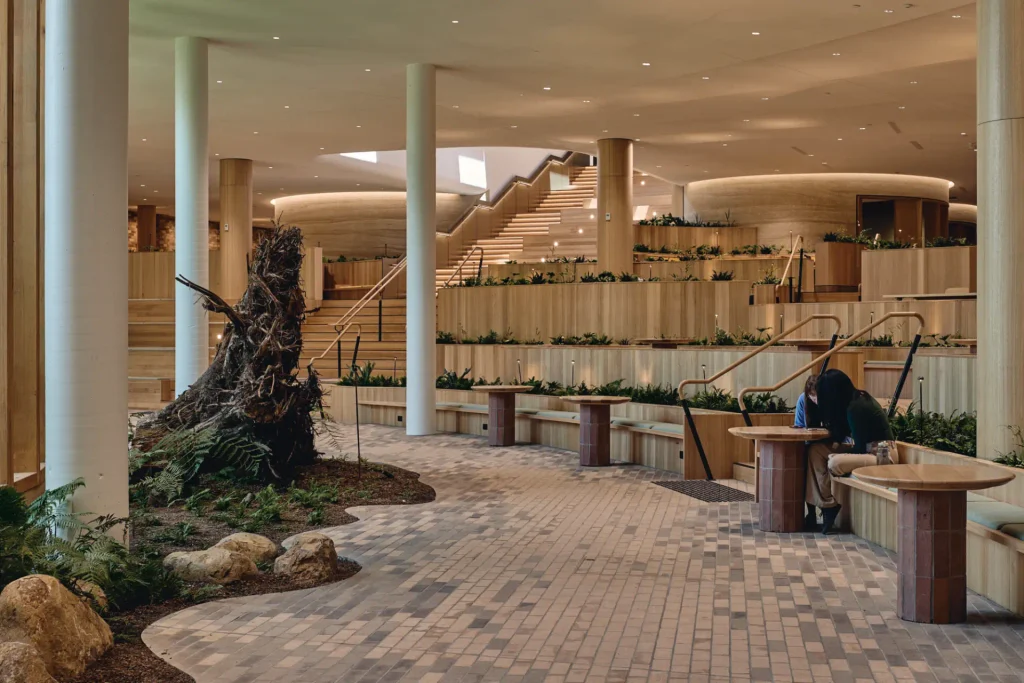
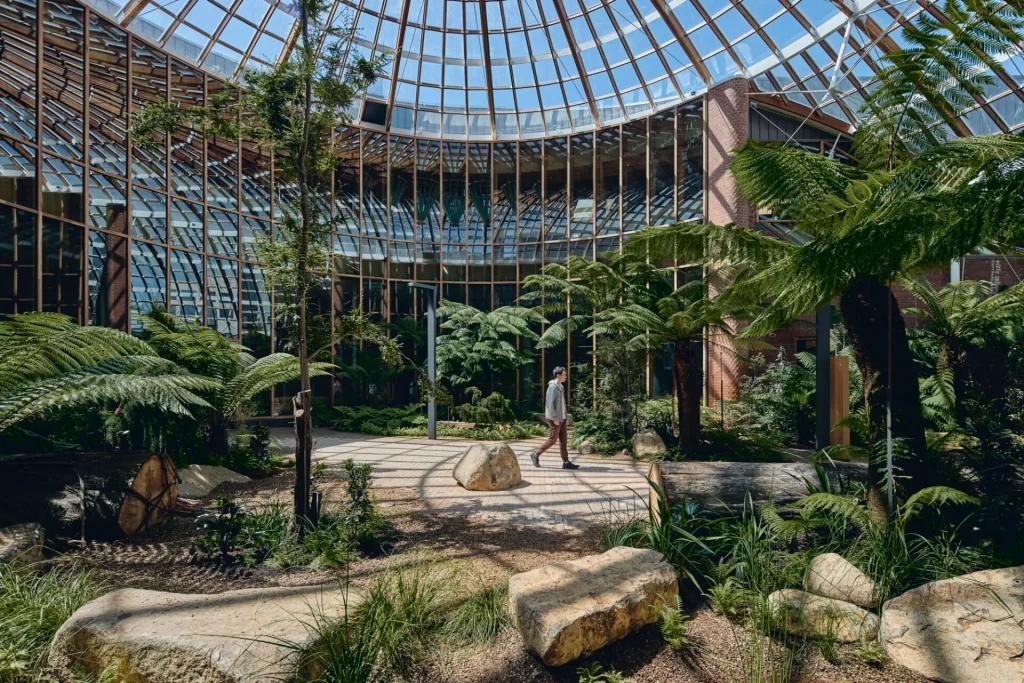
Image Source: Photographer – Peter Bennetts, via the Australian Institute of Architects
Woods Bagot
Educational Architecture and Sustainable Architecture
The University of Tasmania’s The Forest won both of the national categories it was shortlisted in. It also won both categories at the Tasmanian awards: the Sydney Blythe Award for Educational Architecture and the Barry McNeill Award for Sustainable Architecture.
The Hobart campus combines adaptive reuse, contemporary learning spaces and a strong focus on sustainability. The redevelopment restores and revives two warehouses and a heritage-listed domed atrium. In awarding it the National Award for Sustainable Architecture, the jury described it as ‘a 100 percent electric, net-zero operational carbon facility’ and said it shows ‘the vision and courage of both Woods Bagot and the University of Tasmania’.
The Homestead Renewal at Wybalenna, Flinders Island
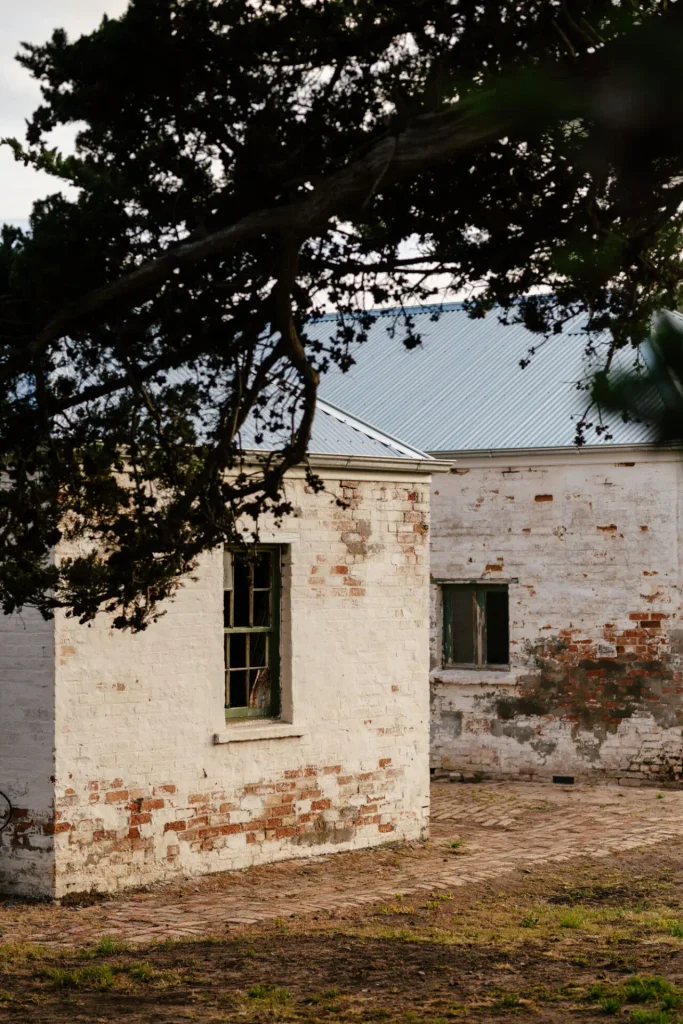
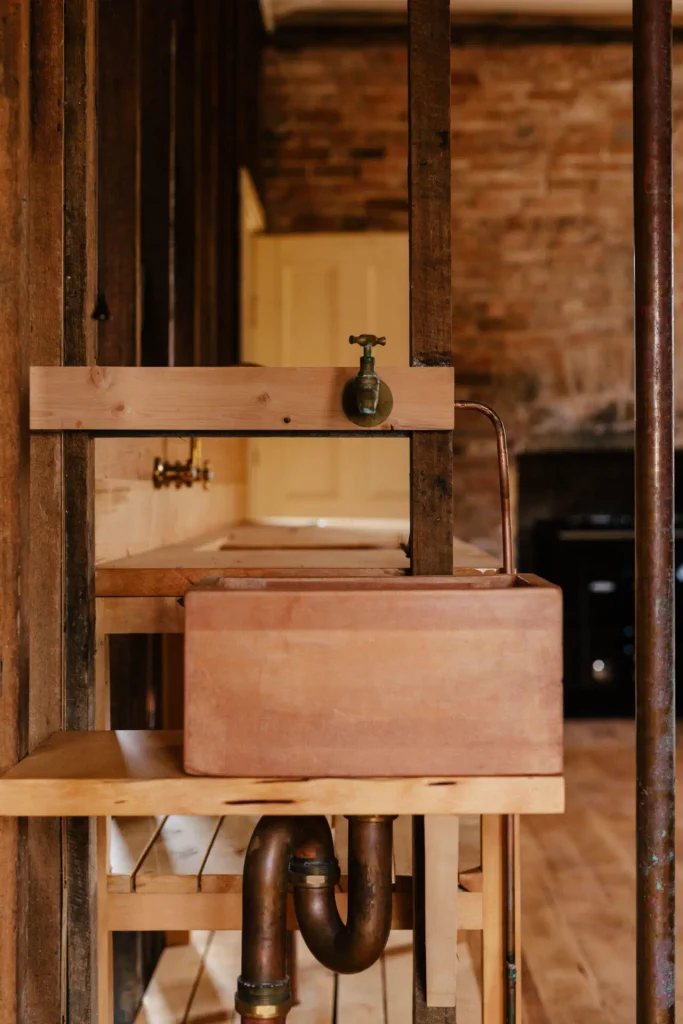
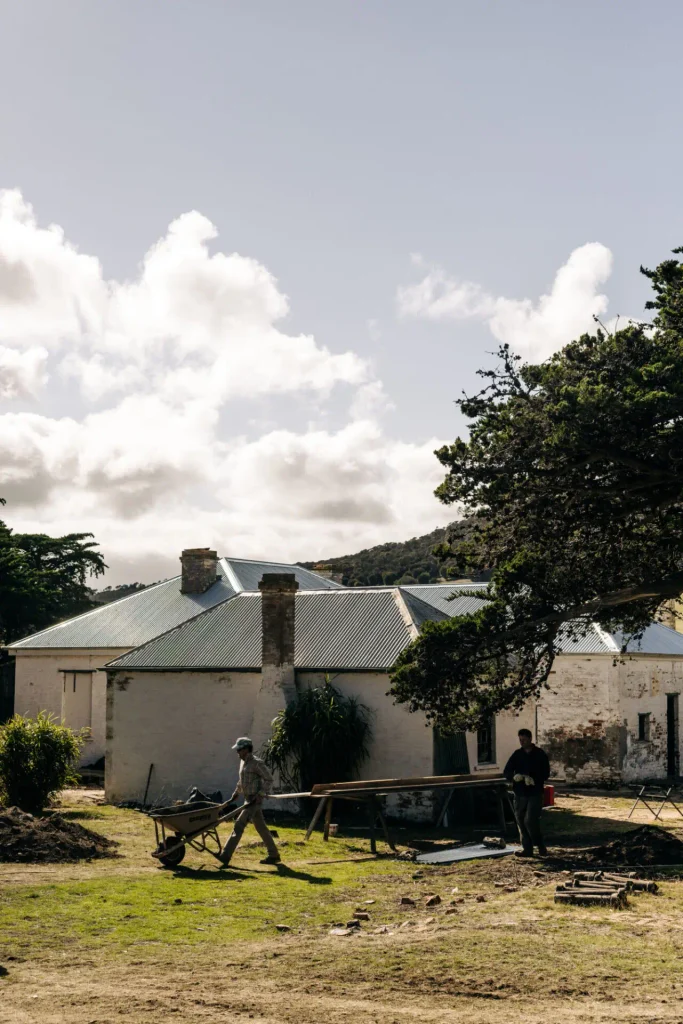
Image Source: Photographer – Adam Gibson, via the Australian Institute of Architects
Taylor and Hinds Architects with the Aboriginal Land Council of Tasmania
Heritage
The Ablutions at Wybalenna, Flinders Island
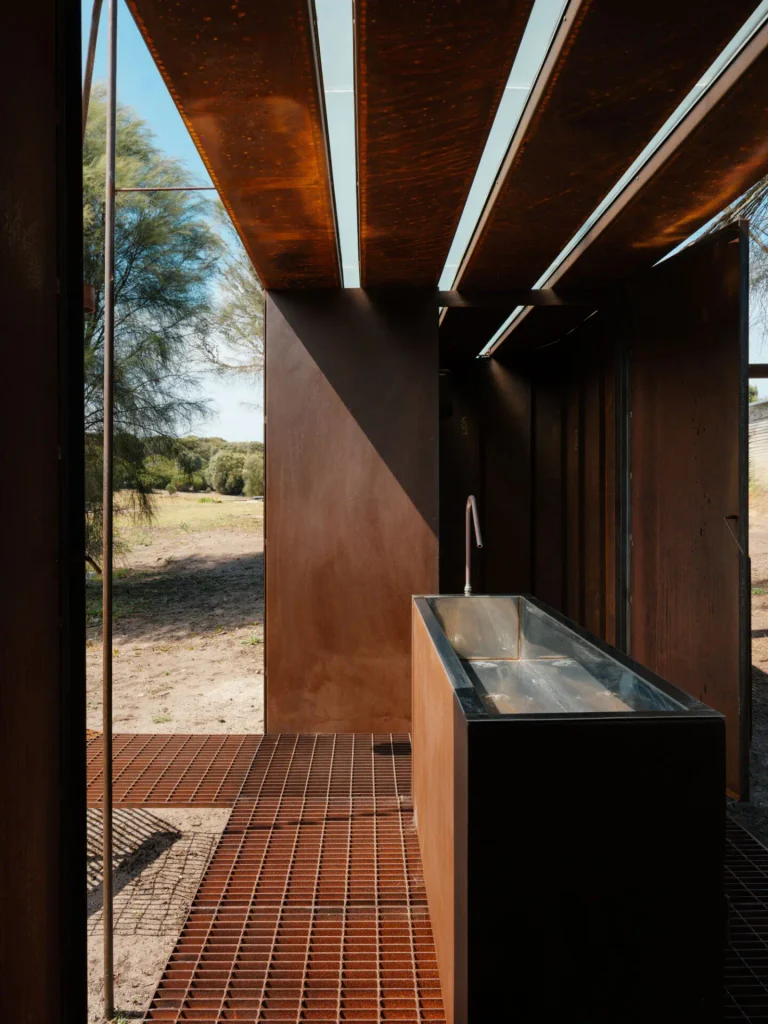
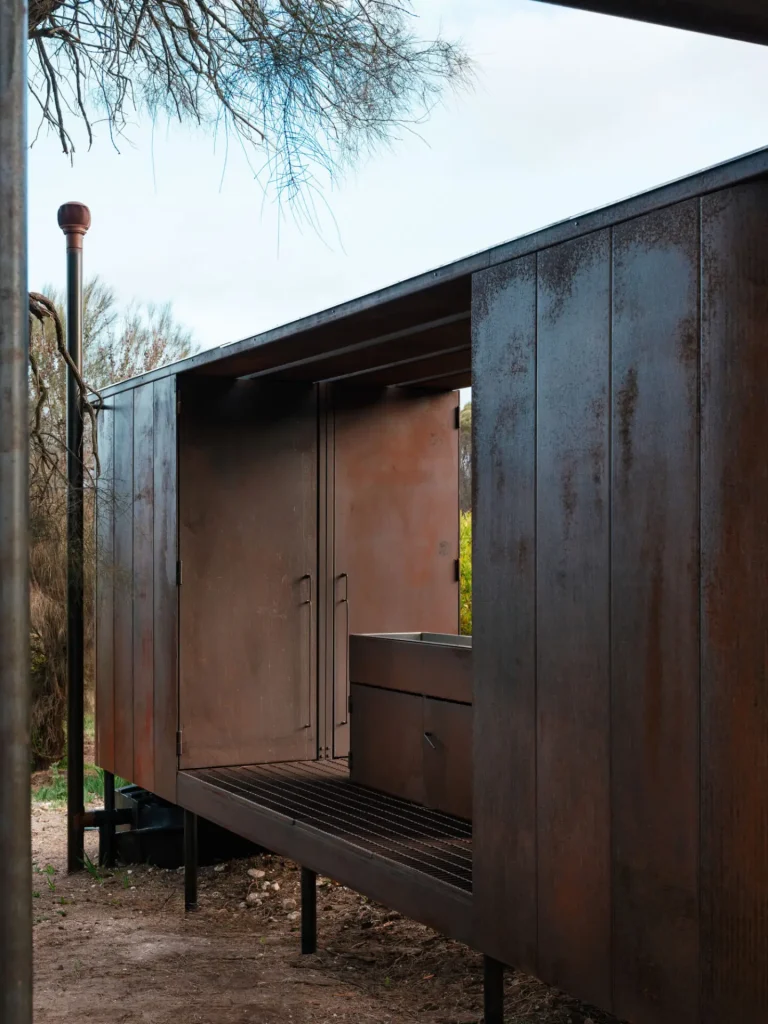
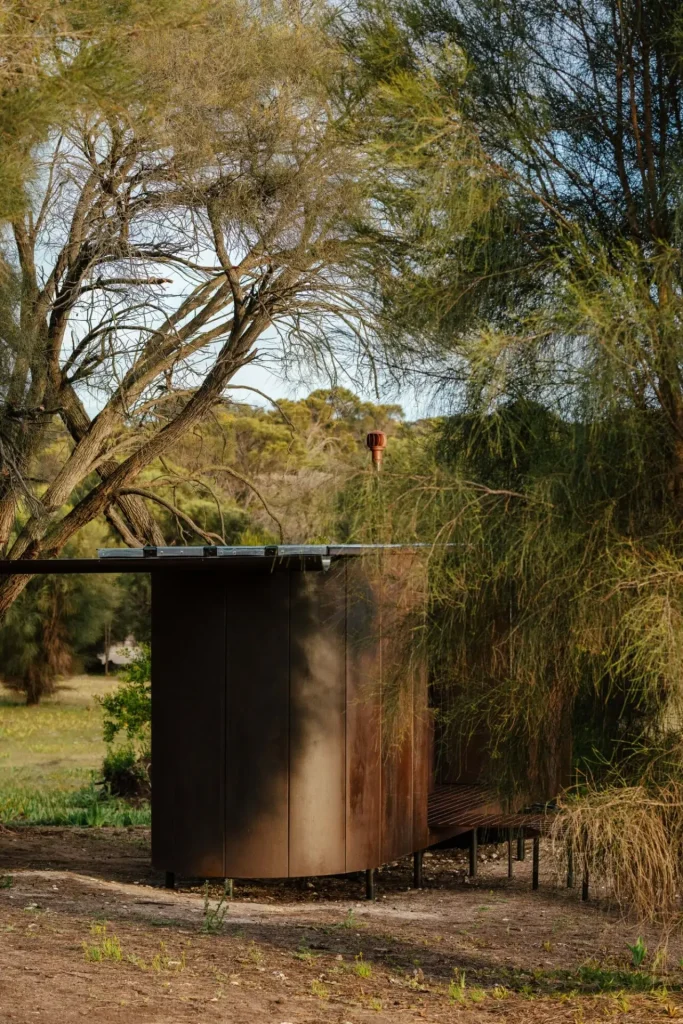
Image Source: Photographer – Adam Gibson, via the Australian Institute of Architects
Taylor and Hinds Architects with the Aboriginal Land Council of Tasmania
Small Project Architecture and COLORBOND® Award for Steel Architecture
The two Wybalenna projects jointly received the Special Jury Prize. The jury called the work ‘one of the most important projects of our time’. It described the work as an ‘extraordinary project of care and respect’, developed through ‘a remarkable partnership’ between Taylor and Hinds and the Aboriginal Land Council of Tasmania.
‘Occasionally, there is a project that moves the dial, changing the way we look at the world,’ the jury said. Its citation describes the work as being about ‘acknowledgement of past atrocities’ and ‘giving voice to our First Nations communities’.
Wybalenna is a place of profound historical and cultural significance for Palawa people. The Ablutions also won the National Award for Small Project Architecture. The pavilion is the first completely new structure at Wybalenna in more than a century. It provides washing, bathing and dry-composting toilet facilities for Aboriginal community use, and its oxidising steel construction carries a deeper connection to the history and cultural memory of the site.
The Homestead Renewal, shortlisted in the Heritage category, departs from standard heritage practice. Internal changes were kept to a minimum, with community wellbeing and Aboriginal perspectives at the centre of the project.
Also Shortlisted
Balfour Terrace, Launceston
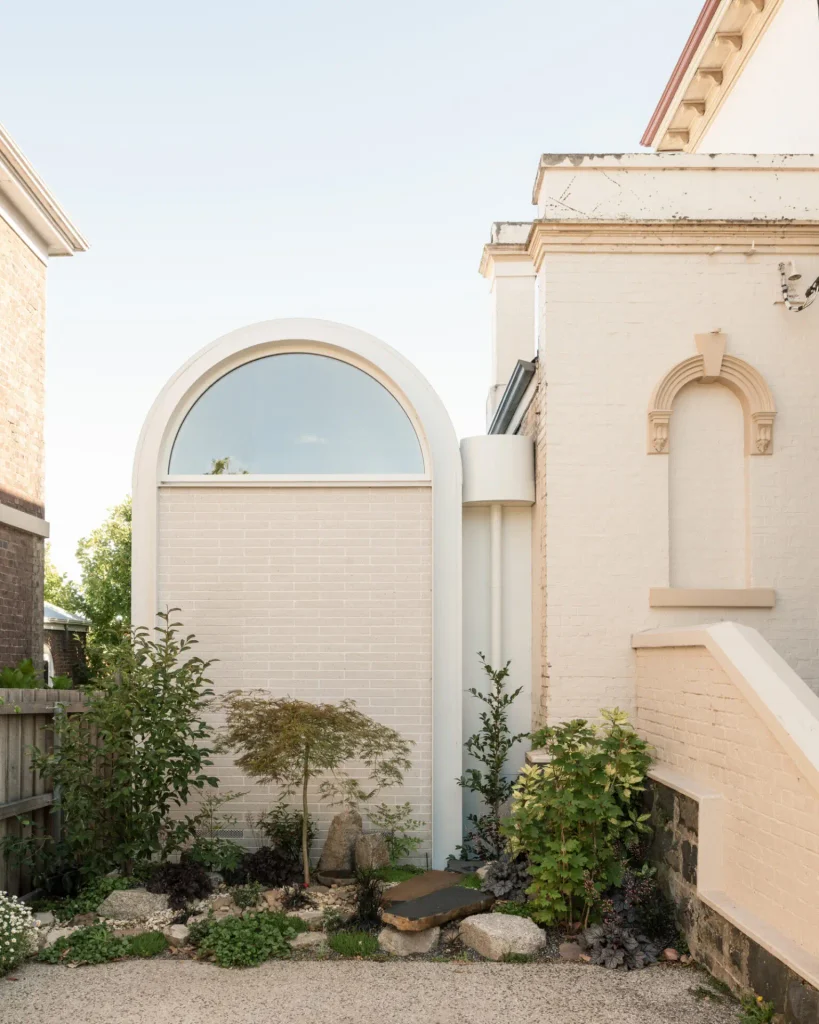
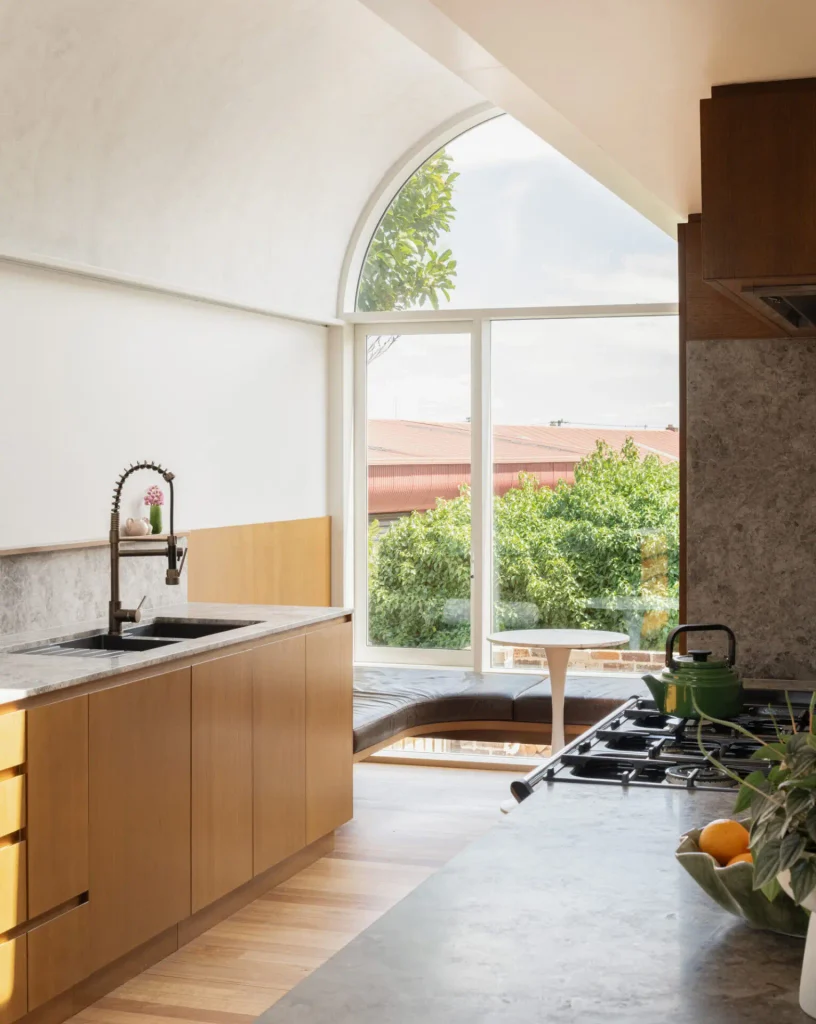
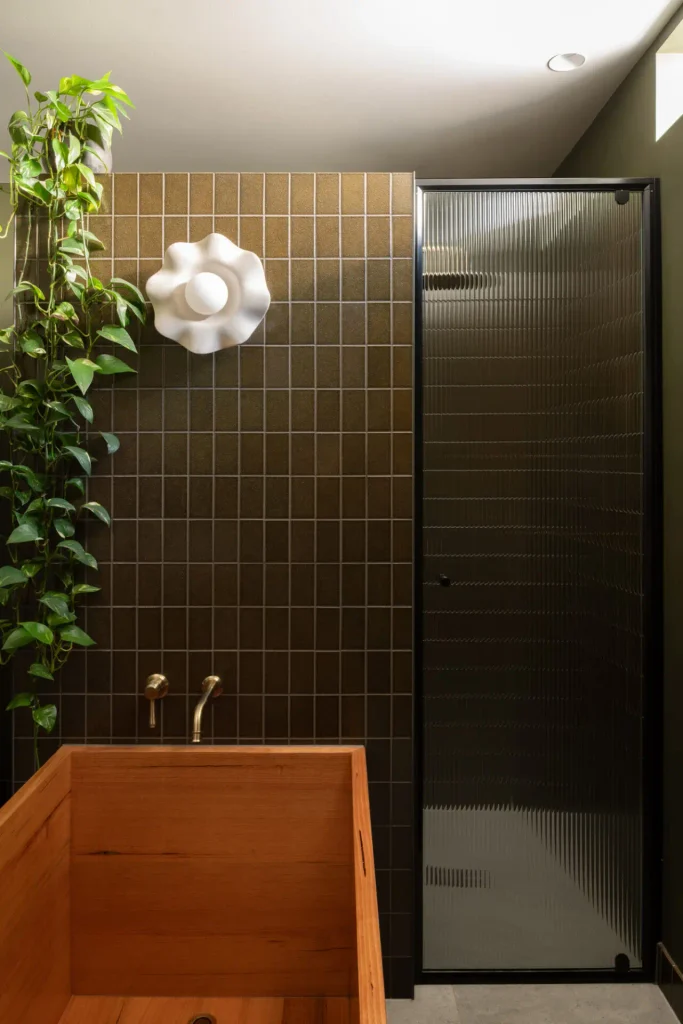
Image Source: Photographer – Anjie Blair, via the Australian Institute of Architects
Cumulus Studio
Residential Architecture – Houses (Alterations and Additions)
Balfour Terrace was shortlisted nationally after winning its category at the Tasmanian Architecture Awards. It was one of five finalists in the alterations and additions category, putting a northern Tasmanian home alongside work from across Australia.
Dorney House at Fort Nelson, Sandy Bay
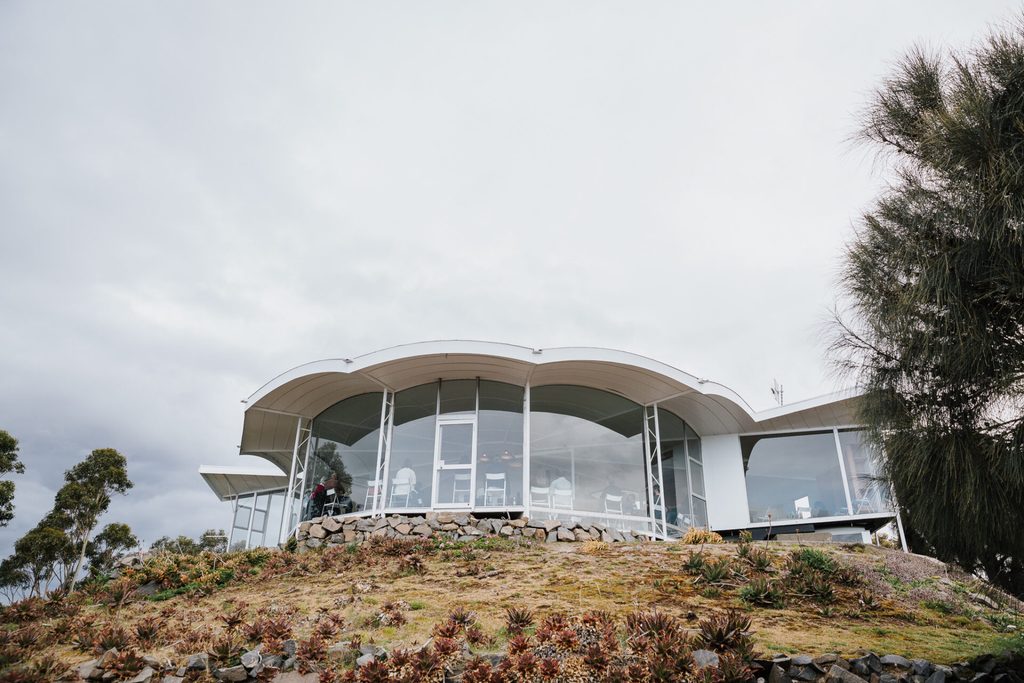
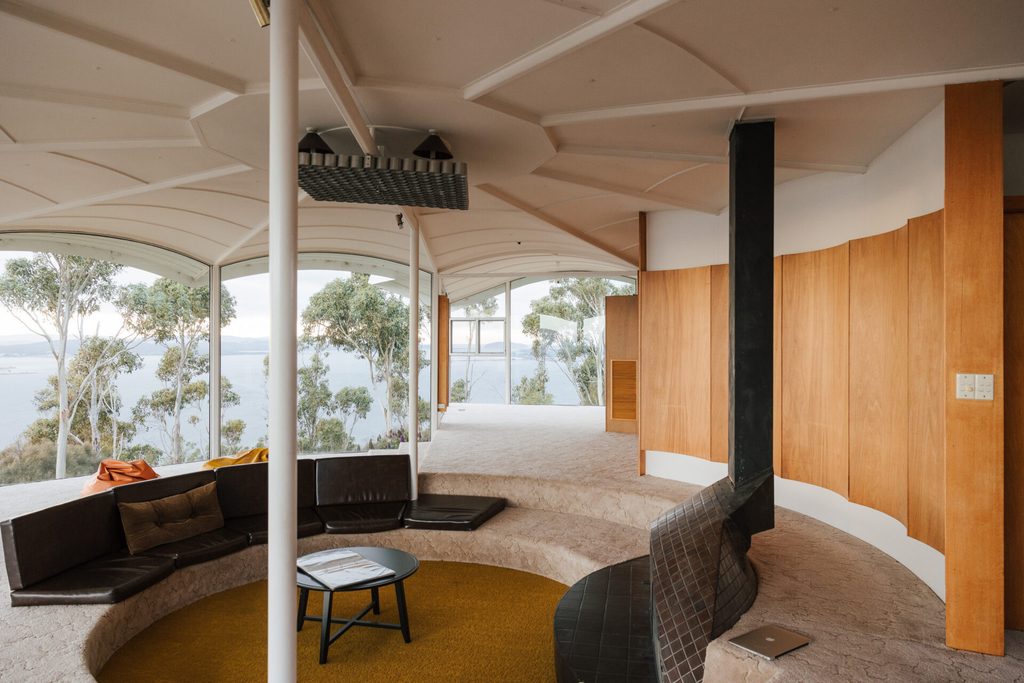
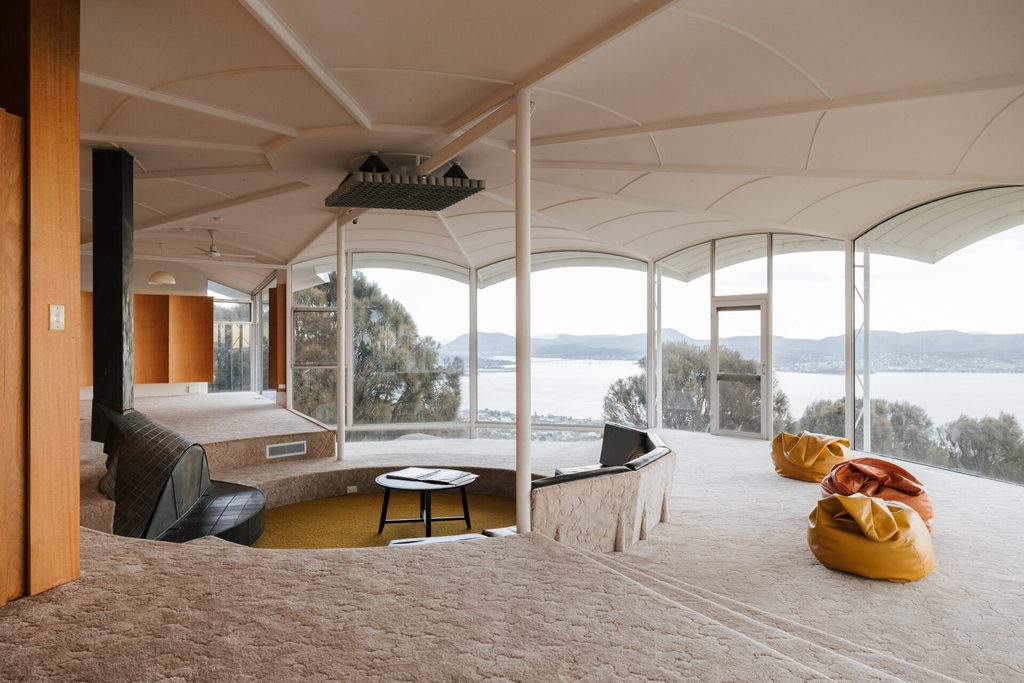
Image Source: Photographer – Nina Hamilton, via the Australian Institute of Architects
J. H. Esmond Dorney
Enduring Architecture
Dorney House at Fort Nelson was one of only three projects nationally shortlisted for Enduring Architecture. It remains an important part of Tasmania’s architectural history, and Esmond Dorney’s work continues to be recognised for its lasting significance.
Tasmania on the National Stage
This year’s results show the depth of architecture across Tasmania. Three national awards and a Special Jury Prize put Tasmanian projects alongside the best in the country. The common thread is care for place, for the buildings we already have and for the communities who use them.