Adaptive reuse plays an important role in Hobart. It helps preserve older buildings, carry forward local stories and maintain the city’s identity over time. In hospitality, its value lies not just in reuse, but in how that reuse is handled. The strongest venues do more than occupy older buildings. They retain visible links to a site’s earlier identity, allowing the past to continue shaping the present. This gives these spaces a stronger sense of place and greater cultural depth.
In Good Company, Westside Laundry and The Parcel Cafe are clear examples of this. Each shows how adaptive reuse can connect Hobart’s past with its contemporary hospitality scene.
1. In Good Company
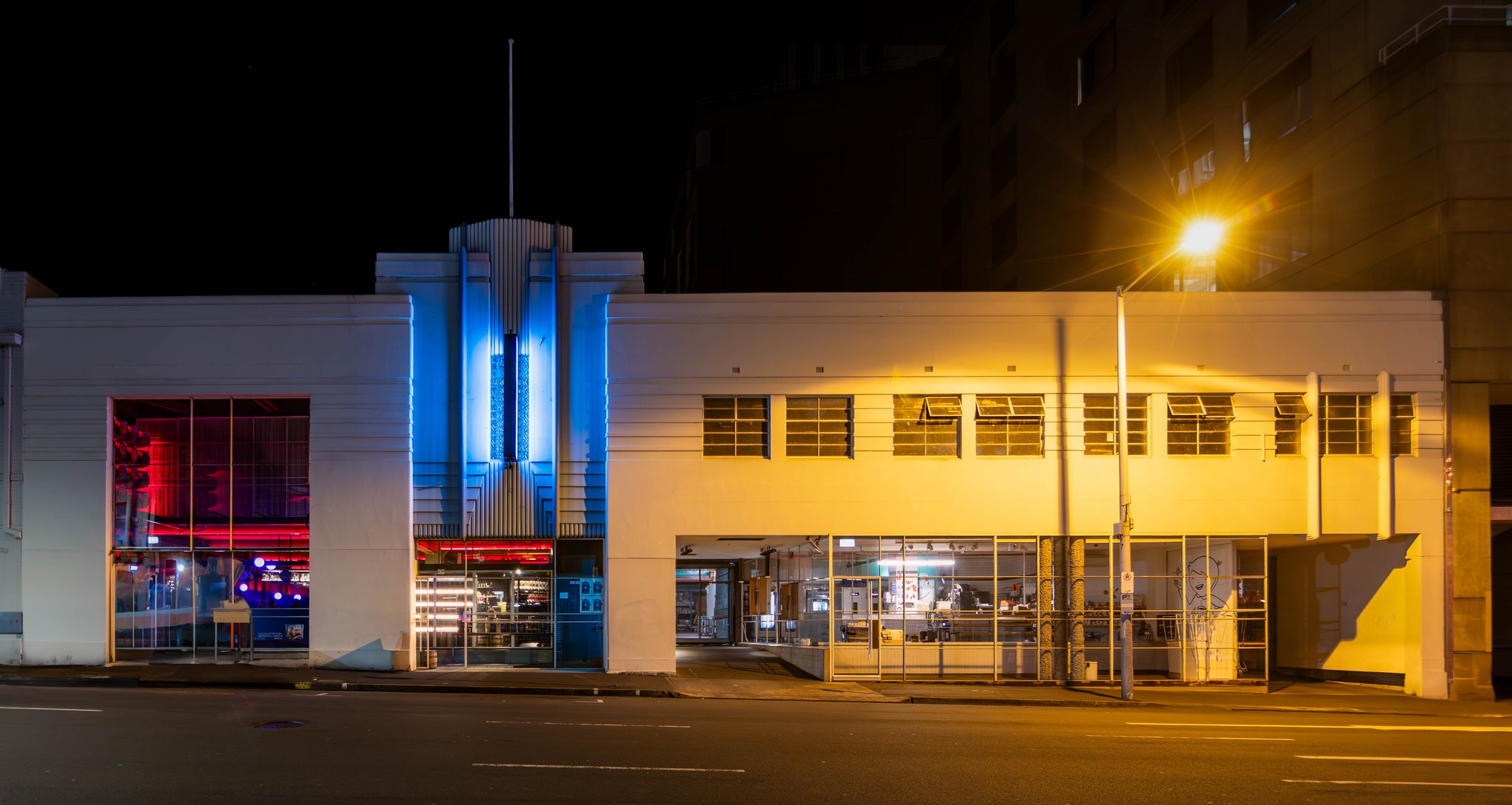
In Good Company draws much of its identity from its setting within Sandy Bay’s former Jet Service Station, originally known as the Riverview Service Station. Designed by architect Eric Round, the building remains a notable example of Hobart’s Art Deco commercial architecture and an enduring part of the suburb’s built character. What makes the venue compelling is the way it has been adapted while still respecting its original form. The reuse keeps the site’s history visible by working with the building’s architectural character rather than obscuring it. That continuity between past and present gives the venue a stronger sense of place and shows how adaptive reuse can preserve both local memory and architectural value.
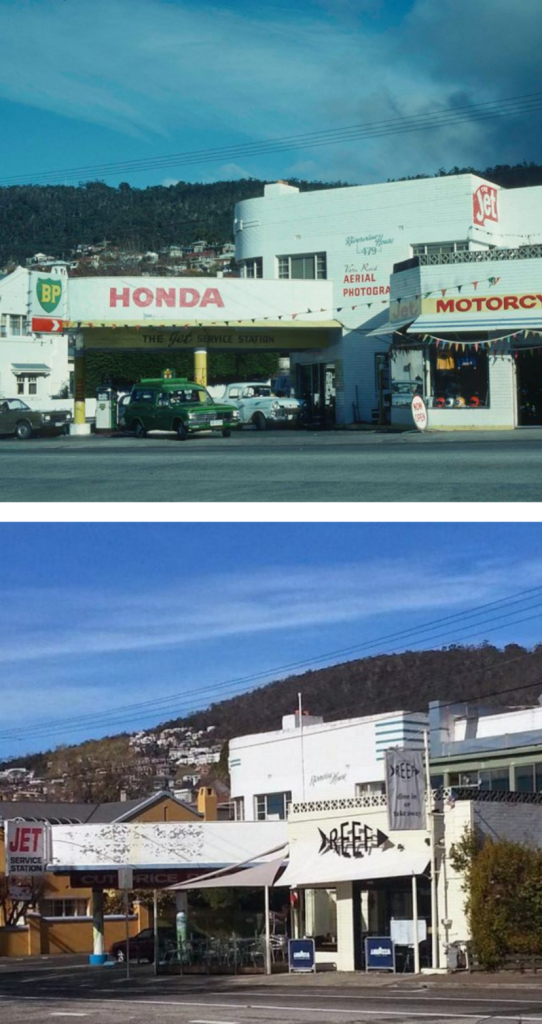
Image Source: Reef Maning Cafe & Yeoldtasmania
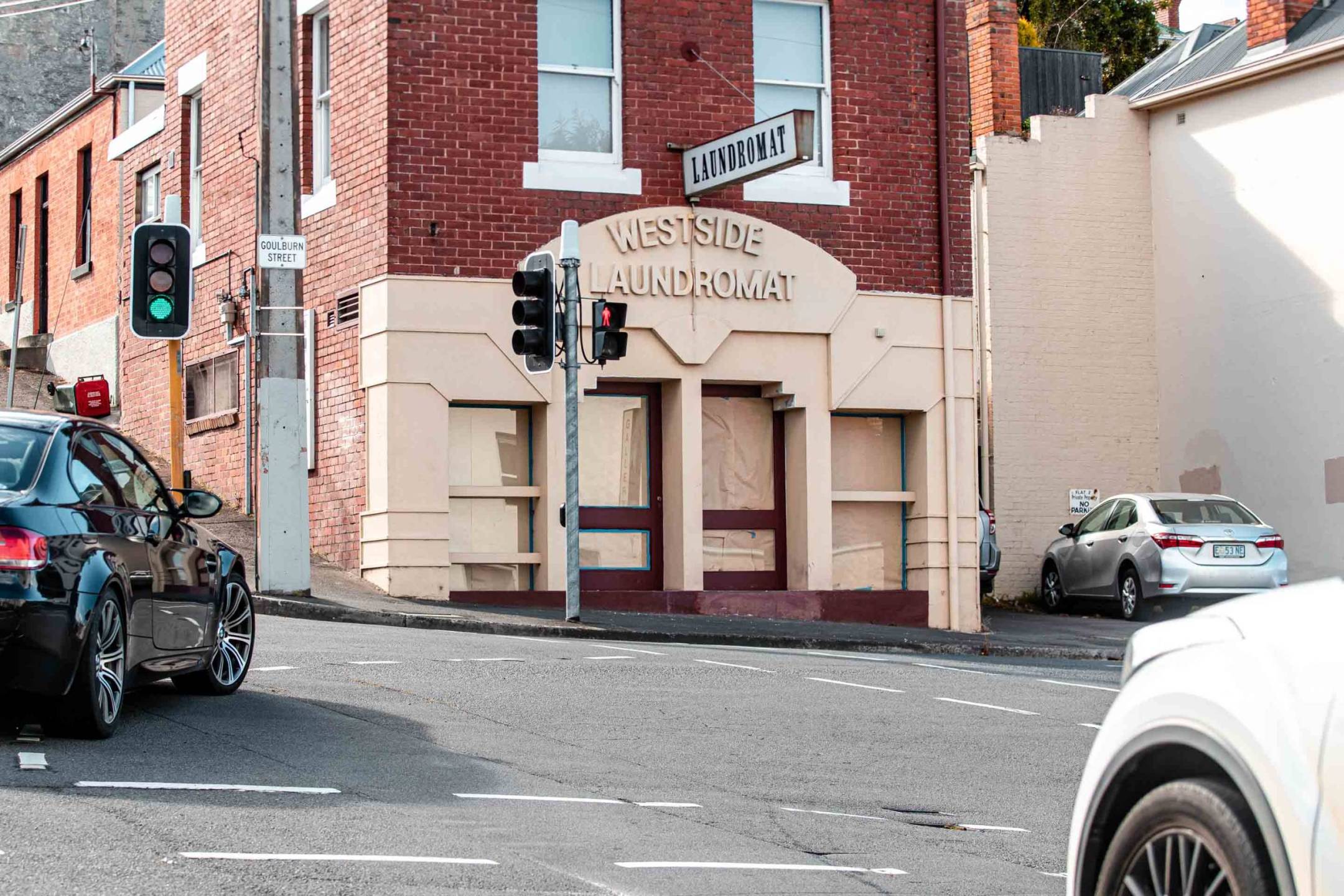
2. Westside Laundry
Westside Laundry takes this approach even further. The building’s former laundrette identity remains central to both the name and the experience. Its past is still visible and still relevant. This is the difference between simple conversion and creative reuse. The building has not just been retained. Its former identity is what shapes the venue’s character.
View this post on Instagram
3. The Parcel Cafe
The Parcel Cafe follows a similar pattern in a different setting. Operating from the former New Town post office, it retains a clear connection to the building’s earlier civic role. This strengthens its sense of place and ties it closely to the neighbourhood.
View this post on Instagram
View this post on Instagram
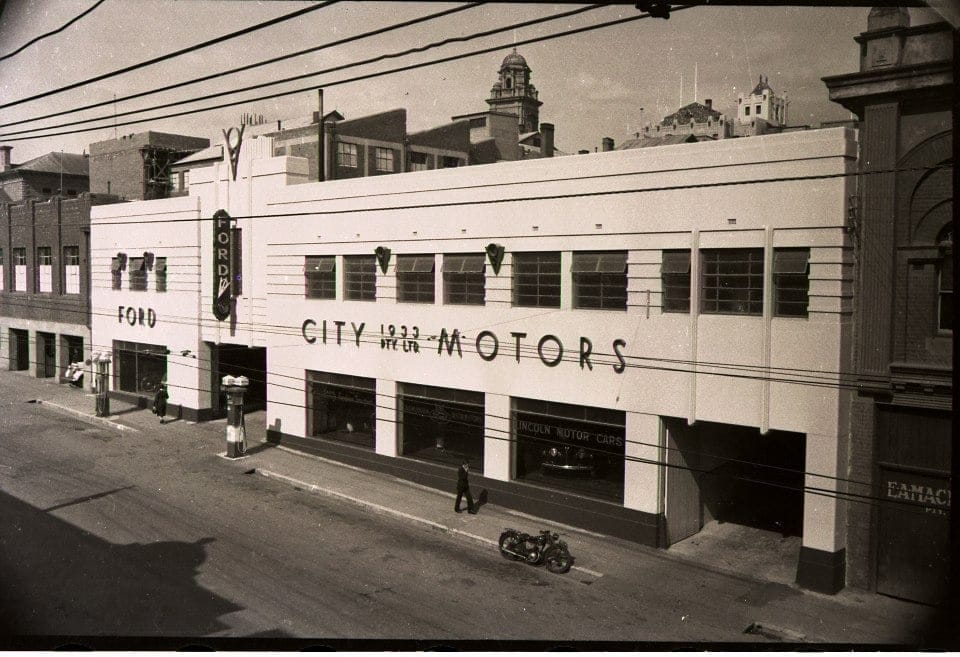
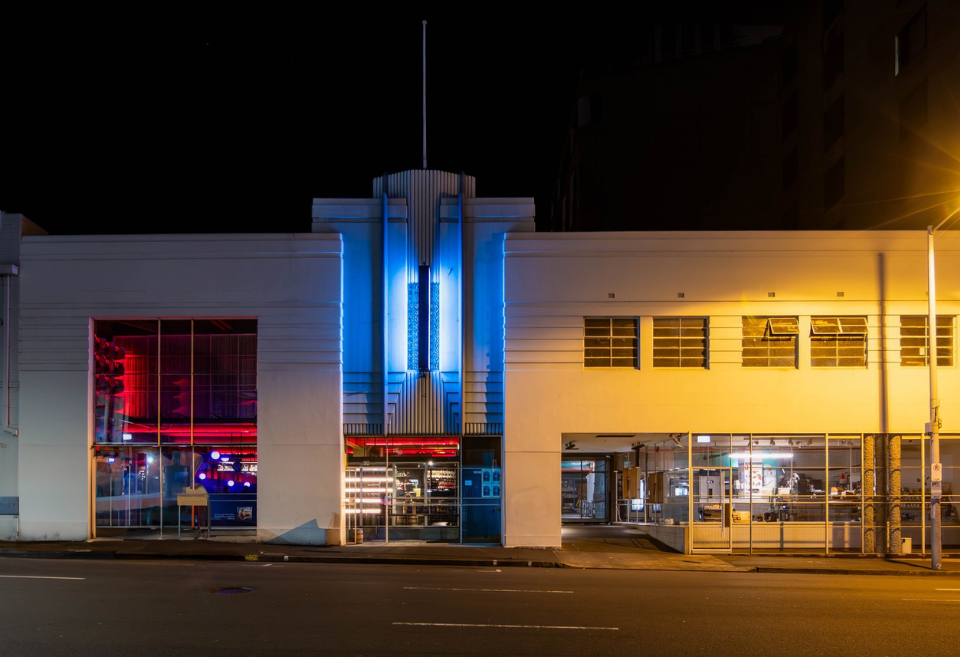
These venues reflect a broader pattern across Hobart. Other well-known spaces also draw part of their identity from adaptive reuse. Peppina, at the former St Mary’s Hospital site, and The Still, in the old Mercury Press Hall building, are two examples. At The Still, the restored ‘City Motors – 1938’ entry keeps part of the site’s earlier history visible. These examples are less direct, but the principle is the same. Older building identities continue to shape some of Hobart’s most recognisable hospitality venues.
The value of adaptive reuse in Hobart goes beyond preserving buildings. Done well, it carries forward character, memory and design language that people still recognise and respond to. That is part of why these venues are embraced by the community and become part of the city’s identity.